Controlling How Tests Are Run
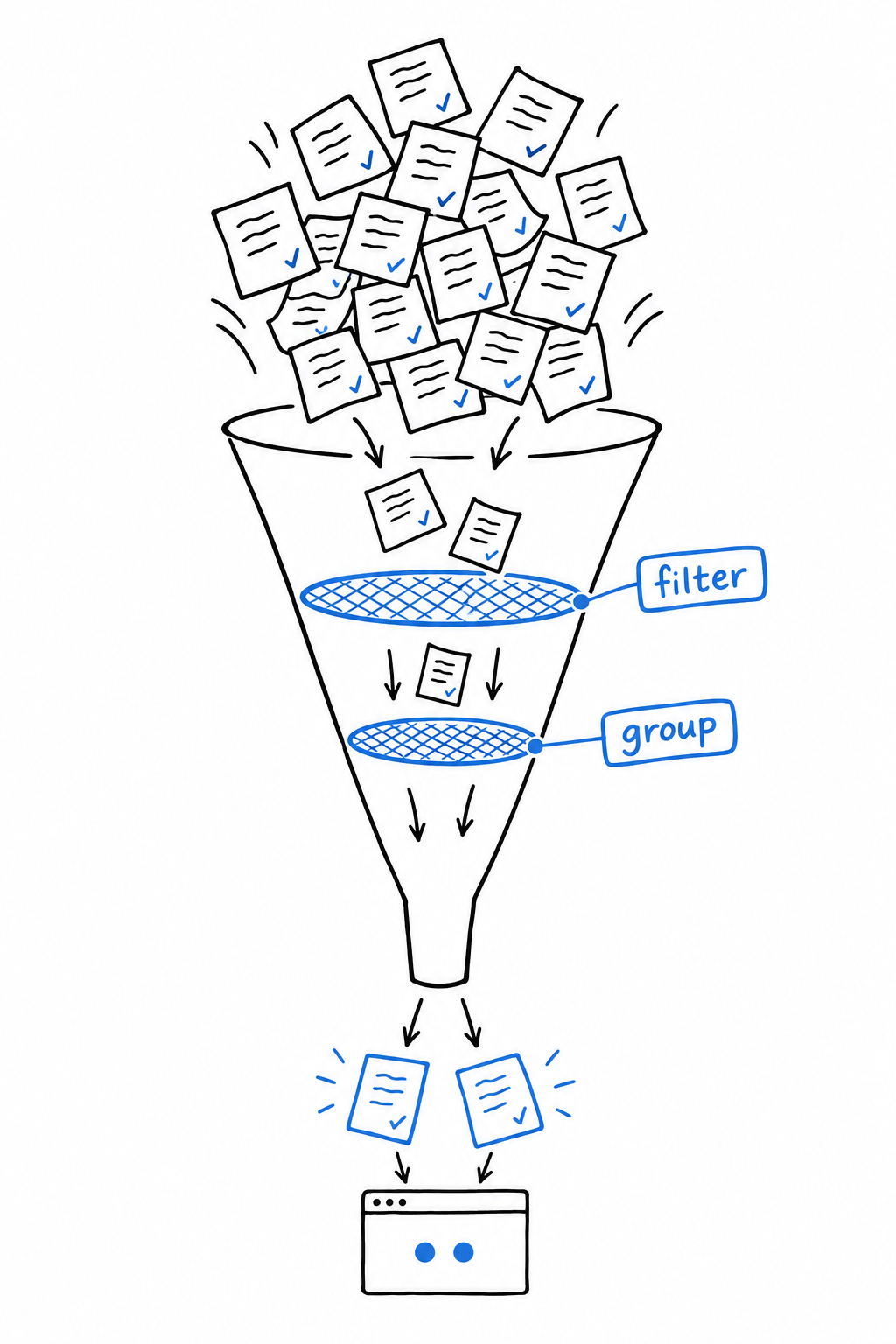
vendor/bin/phpunit tests runs everything, every time. With five tests, fine. With five hundred, waiting for the whole suite each time you save a file gets old, and most of the output is noise about code you did not touch. PHPUnit lets you run a slice of the suite, and a config file makes the whole thing repeatable.
Filtering by name
--filter runs only the tests whose name matches a pattern:
$ vendor/bin/phpunit --filter testAreaOfARectangle tests
The pattern is a regular expression matched against the method name, so --filter Area catches testAreaOfARectangle and anything else with “Area” in it. That is the mode you want while heads-down on one feature: run the two or three tests that matter, and leave the rest for later.
Grouping tests
For a coarser cut than one test at a time, tag tests with a group, using either the older docblock annotation or the modern attribute:
<?php

use PHPUnit\Framework\Attributes\Group;
use PHPUnit\Framework\TestCase;

final class RectangleTest extends TestCase
{
    #[Group('geometry')]
    public function testAreaOfARectangle(): void
    {
        $rectangle = new Rectangle(8.0, 7.0);

        $this->assertSame(56.0, $rectangle->area());
    }
}
Then run just that group:
$ vendor/bin/phpunit --group geometry tests
The everyday use is speed. Mark slow tests (database, filesystem, network) with #[Group('slow')] and keep them out of your inner loop with --exclude-group slow. The full run waits for CI, where a few extra seconds cost nobody anything.
phpunit.xml
Typing tests and remembering your favorite flags on every run gets old too. A phpunit.xml file at the project root fixes that, and PHPUnit reads it without being asked:
<?xml version="1.0" encoding="UTF-8"?>
<phpunit bootstrap="vendor/autoload.php"
         colors="true">
    <testsuites>
        <testsuite name="default">
            <directory>tests</directory>
        </testsuite>
    </testsuites>
</phpunit>
Two things live in it. bootstrap names the file PHPUnit loads before anything else, almost always Composer’s autoloader, so your tests can mention Rectangle without a manual require. testsuites defines what “the suite” even means: here, everything under tests/. With the file in place, the command shrinks to its shortest form:
$ vendor/bin/phpunit
--filter and --group still layer on top whenever you want a narrower run. If you would rather answer a few questions than write XML by hand, vendor/bin/phpunit --generate-configuration produces a starting version. Either way, commit the file. It is project configuration, not a personal preference: everyone on the team, and the CI pipeline, should run the same suite the same way.
The suite is defined once, in
phpunit.xml. The flags narrow it down for the moment.